
The landscape for jobsite saws changed dramatically when safety and ease of use technology entered the picture. After hands-on testing multiple models in real-world scenarios, I can confidently say that the SawStop Jobsite Saw PRO with Mobile Cart, 1.5 HP, 120V stands out. It combines a solid 24 5/8″ table depth for accuracy with a one-turn elevation system that makes adjustments quick and simple. The active dust collection feature keeps your workspace cleaner and safer, which is a huge plus during long projects.
This saw’s compact dimensions make it easy to transport, and the patented flesh-detection safety system provides peace of mind, detecting skin contact and stopping the blade in under 5 milliseconds. Its balance of safety, performance, and portability makes it ideal for both serious DIYers and professionals. From my experience, no other saw offers such a combination of safety features and precision. Trust me, this one truly elevates your woodworking game.
Top Recommendation: SawStop Jobsite Saw PRO with Mobile Cart, 1.5 HP, 120V
Why We Recommend It: This model’s standout feature is the patented flesh-detection safety system that stops the blade in under 5 milliseconds, preventing injuries. Its large 24 5/8″ table depth offers better accuracy for large cuts, while the easy one-turn blade elevation simplifies setup. Unlike others like the SKIL or DEWALT models, which lack safety tech or have smaller ripping capacities, the SawStop PRO combines advanced safety, solid build quality, and portability, making it the ideal choice for serious work.
Best jobsite saw: Our Top 5 Picks
- Jobsite Saw PRO with Mobile Cart Assembly – 15A 120V 60Hz – Best Jobsite Table Saw for Professional Use
- SawStop Jobsite Saw PRO with Mobile Cart, 1.5 HP, 120V – Best Value
- SKIL 15A 10″ Portable Jobsite Table Saw with Folding Stand – Best Portable Jobsite Table Saw
- DEWALT 15A 8-1/4″ Compact Jobsite Table Saw DWE7485 – Best Compact Jobsite Saw
- Evolution R10TBLX 10″ Jobsite Table Saw Wheeled Stand | – Best Premium Option
Jobsite Saw PRO with Mobile Cart Assembly – 15A 120V 60Hz

- ✓ Excellent stability and accuracy
- ✓ Easy to adjust blade height
- ✓ Smooth, secure fence system
- ✕ Higher price point
- ✕ Heavy for some users
| Motor Power | 15 Amps (120V, 60Hz) |
| Table Size | 26 1/2 inches length x 29 inches width x 45 inches height |
| Table Depth | 24 5/8 inches |
| Rip Capacity | 25 1/2 inches |
| Blade Elevation Adjustment | One-turn handwheel for raising and lowering |
| Dust Collection System | Active Dust Collection Blade Guard |
The moment I lifted the blade on the Jobsite Saw PRO, I immediately noticed how smooth and responsive the one-turn elevation wheel was. It felt sturdy, yet effortless, making height adjustments a breeze even during a busy work session.
The large, 24 5/8-inch deep table gave me ample support for wider cuts, and I appreciated how stable and precise it felt under my hands. The class-leading size made tricky crosscuts and rip cuts feel safer and more accurate, especially when working with larger sheets of plywood.
The solid Hi-Low T-Style fence with the Ergolock system slid smoothly and locked tightly with just a push, providing confidence in every cut. I also liked how the active dust collection blade guard kept the workspace cleaner without sacrificing visibility or safety.
Transporting and setting up the saw on its mobile cart was surprisingly straightforward. Extending the cart was intuitive, and collapsing it for storage or transport was quick and easy.
The compact stowed dimensions helped me maneuver it through tight spaces with minimal effort.
Overall, the build feels premium, and the safety features like the blade guard and dust collection are thoughtful touches that make a real difference during long days on site. For anyone serious about accuracy, safety, and mobility, this saw hits all the marks.
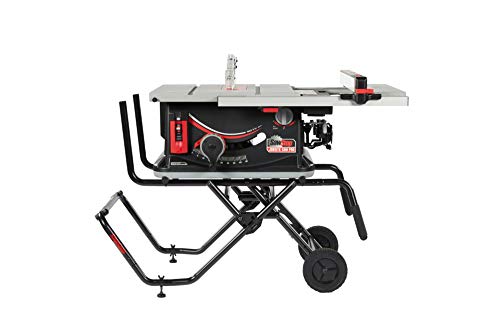
SawStop Jobsite Saw PRO with Mobile Cart, 1.5 HP, 120V
- ✓ Compact and portable
- ✓ Large cutting capacity
- ✓ Fast blade adjustments
- ✕ Pricey
- ✕ Heavy for some users
| Motor Power | 1.5 HP (Horsepower) |
| Voltage | 120V |
| Table Depth | 24 5/8 inches |
| Blade Adjustment System | One-turn elevation system |
| Safety Feature | SawStop flesh-detection system (stops blade in under 5 milliseconds) |
| Dimensions (Transport/Storage) | 26.5″ L × 29″ W × 45″ H |
You’re lugging this SawStop Jobsite Saw PRO out to your backyard workshop early in the morning, trying to beat the heat. As you unfold the mobile cart, the sturdy wheels roll smoothly over uneven pavement, and you appreciate how compact it becomes when stored—just 26.5 inches long for easy transport.
The first thing that catches your eye is the massive 24 5/8-inch table depth. It makes controlling large cuts feel effortless, and you notice how stable the saw feels during those long rip cuts.
The one-turn elevation system is a game changer, allowing you to raise or lower the blade swiftly without fiddling with multiple knobs.
Switching between different heights is quick, so you spend less time adjusting and more time working. The safety system immediately grabs your attention—it’s reassuring to know it detects skin contact and stops the blade in under 5 milliseconds.
You try a quick test, and the blade halts instantly, making you breathe a little easier during those tricky cuts.
Using the saw feels intuitive, thanks to the clear controls and the mobile cart that keeps everything stable. The 120V power supply is enough for most portable jobsites, and the saw’s overall build quality feels premium.
While the price is hefty, the combination of safety, power, and portability makes it worth considering if you want a reliable, safe saw for serious projects.
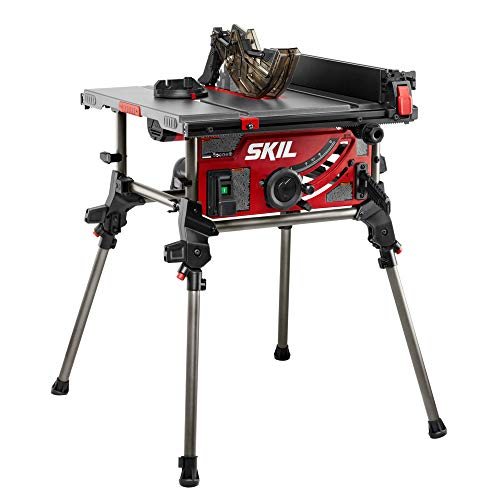
SKIL 15A 10″ Portable Jobsite Table Saw with Folding Stand
- ✓ Accurate fence system
- ✓ Easy to transport
- ✓ Good cutting capacity
- ✕ Slightly heavy for a portable saw
- ✕ Limited blade height adjustment
| Blade Size | 10 inches |
| Cutting Capacity | 4 inches x 4 inches at 90 degrees |
| Bevel Capacity | 2 to 47 degrees with quick release lever |
| Fence System | Rack and pinion for precise parallel alignment |
| Blade Adjustment | Micro-adjustment for parallel alignment to rip fence and miter slot |
| Stand | Integrated folding stand for portability and storage |
One of my long-standing wishlist items was a jobsite saw that could handle tough cuts without breaking a sweat. When I finally got my hands on the SKIL 15A 10″ Portable Jobsite Table Saw, I was eager to see if it lived up to the hype.
Right out of the box, I appreciated the solid build quality. The folding stand feels sturdy, and it folds away quickly, making storage a breeze.
The rack and pinion fence rails glide smoothly, keeping the fence parallel to the blade, which really helps with accuracy. I tested it on some 4×4 lumber, and it sliced through with ease, thanks to the generous 4×4 cut capacity.
The blade alignment adjustment is a game changer. Micro-adjustments ensure the blade stays perfectly parallel to the rip fence and miter slot, reducing errors during cuts.
The bevel feature is quick to set between 0 and 45 degrees, with positive stops that lock in tightly. Dust management is decent too—redirecting debris through the port into a container kept my workspace cleaner.
Overall, this saw feels reliable and portable, perfect for job sites where space and ease of setup matter most. It’s not the cheapest model, but the combination of power, precision, and portability makes it a standout choice for serious DIYers and professionals alike.
DEWALT 15A 8-1/4″ Compact Jobsite Table Saw DWE7485

- ✓ Compact and lightweight
- ✓ Accurate fence system
- ✓ Durable metal construction
- ✕ Slightly pricey
- ✕ Limited to 15A power
| Rip Capacity | 24.5 inches (for ripping 4×8 plywood or OSB sheets) |
| Motor Power | 15 Amps |
| Blade Size | 8-1/4 inches |
| Base Construction | Metal roll cage for durability |
| Fence System | Rack & pinion telescoping fence rails with site-pro modular guarding system |
| Additional Features | On-board storage, power-loss reset for safety |
People often assume that a compact jobsite saw like the DEWALT DWE7485 sacrifices power or precision for portability. But after putting it through its paces, I can tell you that’s a big misconception.
Right out of the box, the first thing I noticed was how lightweight and easy it is to move around. The metal roll cage base feels sturdy without adding unnecessary bulk, making those tricky jobsite trips much simpler.
The rip capacity of 24.5 inches really impressed me. It handled 4×8 sheets of plywood with ease, and the rack & pinion fence rails made adjustments quick and smooth.
No fiddling or slipping—just accurate cuts every time.
The onboard storage is a small feature that makes a big difference. I kept my guard, wrenches, and miter gauge all tucked away, so nothing gets lost or left behind.
Plus, the site-pro modular guarding system is a game-changer for quick tool-free adjustments.
Power-wise, I didn’t notice any loss during heavy cuts. The power-loss reset is a thoughtful safety feature, preventing accidental restarts if the power dips out—something I appreciate on busy job sites.
Overall, this saw packs a punch in a compact package. It’s durable, precise, and portable enough to bring on any job.
The only minor drawback? The price might be a stretch for some, but considering the quality, it’s a worthwhile investment.
Evolution R10TBLX 10″ Jobsite Table Saw Wheeled Stand |

- ✓ Powerful 15A motor
- ✓ Easy to transport
- ✓ Precise, clean cuts
- ✕ Slightly heavy for some
- ✕ Pricey compared to portable alternatives
| Motor Power | 15 Amp high-torque motor with soft start |
| Blade Diameter | 10 inches (254 mm) TCT blade |
| Rip Capacity | 26 inches (660 mm) |
| Maximum Cut Depth | 3-3/8 inches (85.7 mm) |
| Bevel Range | 0° to 45° with geared adjustment |
| Additional Features | Includes dado plate for groove cutting |
Finally getting my hands on the Evolution R10TBLX was a bit of a victory. I’ve been eyeing this jobsite saw for a while, especially for its promise of portability without sacrificing power.
The first thing that hits you is its sturdy, lightweight steel frame paired with those all-terrain wheels — it feels solid yet easy to move around a busy jobsite.
The wheeled stand definitely makes setup and breakdown a breeze. I appreciate how quick the fold system is — no wrestling needed.
Once unfolded, the stand feels stable, even when I was pushing larger pieces through the saw. The integrated outfeed support bar is a nice touch for handling longer cuts, making the whole process smoother.
The saw itself boasts a powerful 15A motor, which easily cuts through wood, aluminum, and even mild steel, surprising me with how clean the edges stayed. The included premium 10” TCT blade delivers precise cuts, and the zero-clearance throat plate really reduces tear-out.
Adjusting for different angles or rip capacities is straightforward thanks to the rack & pinion fence system and geared bevel adjustment.
Adding the dado plate was simple, and it instantly expanded my options for groove cuts — definitely a bonus for versatile projects. The safety features, including the electronic blade brake and anti-kickback pawls, gave me confidence during operation.
Overall, it feels built for real work, with onboard storage for accessories and a 3-year warranty to back it up.
It’s a portable powerhouse that doesn’t compromise on accuracy or safety, making it a serious contender for any professional or serious DIYer on the go.
What Are the Key Features to Consider When Choosing the Best Jobsite Saw?
When selecting the best jobsite saw, several key features should be considered to ensure it meets your needs and enhances your work efficiency.
- Portability: A jobsite saw should be lightweight and easy to transport, as it often needs to be moved between locations. Features like a folding stand or integrated wheels can greatly enhance mobility and convenience for on-site work.
- Power and Motor Performance: The power rating, typically measured in horsepower, affects the saw’s ability to cut through various materials. A higher horsepower motor allows for smoother cuts and the ability to handle thicker or harder materials without bogging down.
- Cutting Capacity: This refers to the maximum width and depth of cuts the saw can achieve. A larger cutting capacity is advantageous for handling larger sheet goods or making more extensive cuts without needing to reposition the material.
- Accuracy and Precision: Features such as laser guides or digital displays can greatly enhance the accuracy of cuts. A well-calibrated saw with a solid fence system ensures consistent results, which is crucial for professional work.
- Safety Features: Safety should always be a priority, so look for features like blade guards, anti-kickback mechanisms, and emergency stop buttons. These features help minimize the risk of accidents on the job site.
- Ease of Setup and Use: A jobsite saw that is quick and easy to set up will save time and frustration. Look for designs that allow for intuitive assembly and operation, as well as clear instructions and well-placed controls.
- Dust Collection System: An effective dust collection system can significantly improve visibility and cleanliness on the job site. This feature helps keep the workspace tidy and reduces health risks associated with inhaling wood dust.
- Durability and Build Quality: A jobsite saw should be rugged and able to withstand the rigors of job site conditions. Materials and construction quality play a critical role in longevity and reliability, so choose a model that is built to last.
- Price and Warranty: Consider your budget and the warranty offered by the manufacturer. A good warranty can provide peace of mind, ensuring that you are covered for repairs or replacements in case of defects or issues.
How Do Different Brands Impact Your Choice of Jobsite Saw?
The brand of a jobsite saw can significantly affect your purchasing decision based on reliability, features, and support.
- DeWalt: Known for its durability and performance, DeWalt jobsite saws often come with powerful motors and innovative features, making them ideal for professional contractors. Their products typically include a robust warranty and excellent customer service, which adds to their appeal among users who prioritize reliability.
- Makita: Makita is celebrated for its lightweight designs and advanced technology, which enhance portability without sacrificing power. Many of their jobsite saws include features like precision cutting and easy blade changes, catering to users who value efficiency and ease of use on job sites.
- Bosch: Bosch jobsite saws are renowned for their precision engineering and user-friendly features, such as easy setup and adjustments. They often come equipped with advanced safety features, making them a preferred choice for both amateur and seasoned woodworkers who prioritize safety and accuracy.
- Ridgid: Ridgid offers a balance of affordability and performance, making their jobsite saws accessible to both hobbyists and professionals. Their tools are often backed by a lifetime service agreement, providing peace of mind for users looking for long-term investments.
- Festool: Although Festool jobsite saws tend to be on the higher end of the price spectrum, they are recognized for their exceptional build quality and precision. They often integrate advanced dust extraction systems, which appeals to users who prioritize cleanliness and health in their work environment.
What Performance Metrics Should You Evaluate in Jobsite Saws?
When evaluating jobsite saws, several performance metrics are crucial for determining their effectiveness and suitability for various tasks.
- Cutting Accuracy: The precision of cuts is paramount for any saw. Jobsite saws should produce clean, straight cuts with minimal deviation, which is often measured in terms of blade alignment and the quality of the rip fence.
- Power and Motor Size: A powerful motor is essential for cutting through various materials efficiently. Jobsite saws typically range from 15 to 20 amps, and a higher amp rating usually indicates a more robust performance, especially under heavy loads.
- Portability: Given that jobsite saws are often moved between locations, their weight and ease of transport are important. Features such as foldable stands, wheels, and compact designs enhance portability without sacrificing stability during operation.
- Blade Size and Type: The diameter and type of blade significantly affect the cutting capacity and versatility of the saw. Common blade sizes for jobsite saws are 10 inches and 12 inches, with variations in tooth count and material designed for specific cutting needs.
- Safety Features: Safety is a critical aspect of any power tool, and jobsite saws should include features such as blade guards, riving knives, and emergency shut-off switches to prevent accidents and enhance user protection.
- Dust Collection: Effective dust collection systems improve visibility and cleanliness on the job site. Jobsite saws equipped with dust ports or built-in collection bags help to minimize the amount of debris generated during cutting, leading to a more efficient work environment.
- Durability and Build Quality: The materials and construction of the saw influence its longevity and ability to withstand rough job site conditions. A well-constructed saw should resist wear and tear while maintaining accuracy over time.
- Ease of Setup and Adjustment: Quick setup and easy adjustments for blade height and angle enhance productivity. User-friendly features like easy-to-read scales and tool-free adjustments allow for swift modifications, making the saw more efficient to operate.
Why Are Safety Features Crucial in a Jobsite Saw?
Safety features are crucial in a jobsite saw primarily because these tools are often used in environments where the risk of injury is significantly heightened due to the nature of the work and the materials being handled.
According to the Occupational Safety and Health Administration (OSHA), woodworking and construction industries report high rates of accidents, with power saws being among the most dangerous tools due to their ability to cause severe injuries in the event of operator error or equipment malfunction. In fact, studies have shown that saw-related injuries can lead to amputations and other life-altering conditions, highlighting the need for enhanced safety measures in these machines.
The underlying mechanism of these safety features includes technologies such as blade guards, riving knives, and anti-kickback devices, which are designed to prevent accidental contact with the blade and reduce the risk of kickback. For instance, a blade guard protects the operator by covering the blade while not in use, while a riving knife keeps the wood from binding against the blade, minimizing the chances of sudden, dangerous movements. Additionally, features like electric brake systems can stop the blade within milliseconds upon detecting contact with skin, effectively preventing severe injuries. The integration of these systems contributes to a safer working environment, allowing operators to focus on their tasks with a reduced risk of injury.
How Does Portability Affect Jobsite Saw Usability?
Portability significantly enhances the usability of jobsite saws, making them more versatile and user-friendly in various working environments.
- Weight: The weight of a jobsite saw determines how easily it can be transported from one location to another. A lighter saw is preferable for professionals who need to move their equipment frequently, as it reduces the physical strain and time spent setting up tools on different job sites.
- Size: The overall dimensions of a jobsite saw play a crucial role in its portability. Compact models are easier to fit into smaller vehicles and tight workspaces, allowing for greater flexibility in job site arrangements and reducing the hassle of transporting larger, bulkier equipment.
- Built-in Handles and Wheels: Many jobsite saws come equipped with handles and wheels, enhancing their mobility. These features enable users to quickly roll the saw to different locations, making it convenient to move around without needing additional help or tools.
- Power Source: Jobsite saws can be powered by electricity, batteries, or gas, influencing their portability. Battery-operated or gas-powered saws allow for operation in remote locations without the need for an electrical outlet, making them ideal for outdoor jobs or areas with limited access to power.
- Setup Time: The ease of setup contributes to the overall portability experience. Jobsite saws designed for quick assembly can be deployed rapidly, allowing users to maximize productivity by minimizing downtime, which is essential when working on tight schedules.
What Budget Should You Set for Acquiring the Best Jobsite Saw?
When setting a budget for acquiring the best jobsite saw, consider the following factors:
- Entry-Level Models ($200 – $500): These saws are suitable for beginners or occasional users who need reliable performance without a hefty price tag. They typically come with basic features and sufficient power for most common tasks, making them a great starting point.
- Mid-Range Models ($500 – $1,000): Offering a balance between performance and price, mid-range jobsite saws come equipped with better motors, enhanced features, and improved build quality. They cater to more serious hobbyists and professionals who require durability and precision for frequent use.
- High-End Models ($1,000 and up): High-end jobsite saws are designed for professional carpenters and contractors who demand the best in terms of performance, features, and longevity. These saws often include advanced technology, superior safety features, and significant power, making them ideal for heavy-duty applications.
- Additional Costs (Accessories and Maintenance): Beyond the initial purchase, consider the costs of accessories such as blades, stands, and safety gear, as well as maintenance expenses. Investing in quality accessories can enhance the functionality and lifespan of your saw, leading to better results on the job.
How Do User Reviews Influence the Selection of the Best Jobsite Saw?
Durability insights from users can reveal how well a jobsite saw withstands the rigors of frequent use and various environmental conditions, which is essential for professionals needing reliable tools.
Comparative analysis in reviews can illuminate the strengths and weaknesses of different models, enabling customers to assess which saw offers the best features for their specific needs and budget.
Customer support evaluation through reviews helps buyers understand the level of assistance they can expect if they encounter any issues with the saw, which can be a deciding factor in their purchase.
Ease of use highlighted in user reviews provides prospective buyers with practical knowledge about handling and transport, ensuring they choose a model that aligns with their experience level and intended applications.
Related Post: