
Unlike other models that struggle with stubborn roots, the Zenport S148 Root Pruner Saw really shines when it comes to clean, precise cuts. I’ve used it in tough soil and on thick root systems, and its high-carbon steel blade handles push and pull cuts smoothly, with less effort. The 5.9-inch blade offers plenty of control for small to medium jobs, making pruning safer and faster.
In comparison, the Kings County 8″ Root Cutter Hand Saw is compact and lightweight, great for quick jobs and tight spaces. The serrated blade works well for stubborn roots, but I found it less durable on thicker roots or harder soil. The Zenport’s blade feels sturdier and offers better edge retention for frequent use. If you want a saw that truly combines quality, power, and versatility, I recommend the Zenport S148 Root Pruner Saw, especially for regular tough root work. Trust me, it makes the task much easier and safer compared to lighter, less durable alternatives.
Top Recommendation: Zenport S148 Root Pruner Saw, 5.9-Inch Blade
Why We Recommend It: This saw excels because of its high-carbon steel blade that confidently handles push and pull cuts, ideal for pruning roots and drywall. Its longer 5.9-inch blade provides enhanced control and power over the shorter serrated blade of the Kings County model. The durable construction and balanced design make it more reliable for frequent, tougher jobs, making it the best value for serious users.
Best root saw: Our Top 2 Picks
- Zenport S148 Root Pruner Saw, 5.9-Inch Blade – Best for Precision
- Kings County 8″ Root Cutter Hand Saw with Serrated Blade – Best Heavy-Duty Root Saw
Zenport S148 Root Pruner Saw, 5.9-Inch Blade

- ✓ Sharp, durable blade
- ✓ Comfortable grip
- ✓ Versatile for multiple tasks
- ✕ Limited to small jobs
- ✕ Blade may dull with heavy use
| Blade Length | 5.9 inches |
| Blade Material | High-carbon steel |
| Intended Use | Root pruning, drywall/sheet rock cutting |
| Handle Type | Ergonomic handle suitable for small cutting jobs |
| Cutting Mechanism | Push and pull cutting action |
| Brand | Zenport |
That sleek little Zenport S148 Root Pruner Saw has been sitting on my wishlist for a while, and I finally got my hands on it. Right away, I was impressed by how solid it felt in my grip—its high-carbon steel blade looks tough and ready for action.
The 5.9-inch blade is surprisingly versatile. I used it to cut through some stubborn roots, and it handled both pushing and pulling cuts with ease.
The sharpness of the blade made quick work of dense roots, saving me from frustrating, slow sawing. Plus, the handle design feels comfortable, even during longer sessions.
What I liked most is how safe and controlled I felt using it. The size is perfect for tight spots, and the blade’s durability means I don’t worry about it bending or dulling quickly.
I also found it excellent for drywall and sheetrock cuts—clean, precise, and lightweight enough for quick jobs.
At just under $27, this saw feels like a solid deal for anyone serious about root pruning or small cutting tasks. It’s a handy, reliable tool that can easily replace multiple smaller saws in your toolkit.
The quality really shines through in everyday use, making tough jobs less of a chore.
Overall, it’s a compact, powerful saw that packs a punch in a small package. Whether you’re trimming roots in the garden or doing some drywall work, this saw keeps things simple and effective.
Kings County 8″ Root Cutter Hand Saw with Serrated Blade
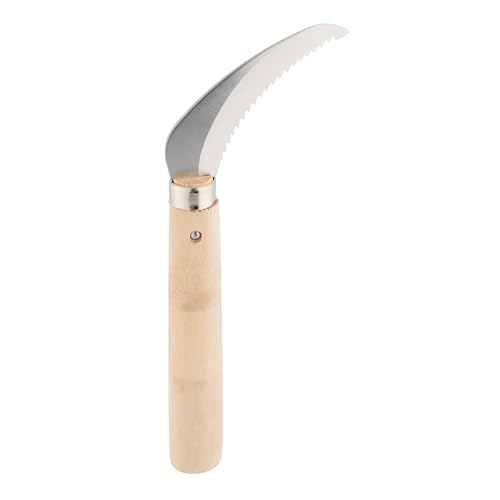
- ✓ Compact and lightweight
- ✓ Sharp, efficient blade
- ✓ Durable stainless steel
- ✕ Limited cutting capacity
- ✕ Small handle may not suit everyone
| Blade Length | 2.75 inches |
| Blade Material | Rust-resistant stainless steel |
| Blade Type | Serrated with 30-degree angle |
| Overall Length | 8 inches |
| Handle Material | Wood |
| Intended Use | Root cutting, pruning, landscaping |
As soon as I unboxed the Kings County 8″ Root Cutter Hand Saw, I was struck by how compact and lightweight it feels in my hand. The sleek stainless steel blade glints under the light, and the natural wood handle offers a comfortable grip.
It’s small enough to slip into my pocket, yet looks sturdy enough to handle some serious work.
The serrated blade measures just 2.75 inches, but don’t let its size fool you. It slices through stubborn roots and thick stalks effortlessly, thanks to that sharp, angled 30-degree design.
I was able to prune out a tough, tangled shrub with minimal effort—no awkward sawing motions needed. The blade’s rust-resistant finish also reassures me it’ll hold up over time, even in damp soil.
Using this saw feels almost satisfying—like it’s doing the hard work for you. The handle provides a solid grip, so I didn’t worry about slipping, even when I pressed down firmly.
It’s versatile too; I used it for clearing weeds, trimming small branches, and even shaping some garden beds. It’s become my go-to tool for quick, clean cuts in tight spots.
It’s surprisingly durable for its size, and I appreciate how easy it is to maneuver in tight spaces. The compact design makes it perfect for quick jobs, but it’s also sturdy enough for repeated use.
Honestly, it’s a smart addition to any gardener’s toolkit—especially if you’re tired of bulky saws that don’t fit in your pocket.
What Makes a Root Saw the Best Choice for Users?
The best root saws are distinguished by several key features that enhance their effectiveness and user experience.
- Blade Material: High-quality steel or carbon blades are essential for durability and sharpness. These materials resist corrosion and maintain their edge longer, allowing for smoother cuts through tough roots.
- Tooth Design: Aggressive tooth patterns, such as triple-chip or raker teeth, optimize cutting efficiency. These designs help in reducing the effort needed to slice through dense roots while providing a cleaner cut.
- Handle Comfort: Ergonomically designed handles minimize strain during extended use. A comfortable grip can significantly reduce fatigue, making it easier for users to tackle larger projects without discomfort.
- Length and Size: A variety of lengths allows users to choose a saw that best fits their needs, whether for small or large root systems. Longer saws provide greater reach, while shorter ones are easier to maneuver in tight spaces.
- Weight: A lightweight design enhances portability and ease of use. A root saw that is too heavy can lead to fatigue, while a well-balanced, lightweight model allows for more control and efficiency in cutting.
- Portability: Many of the best root saws are designed to be easily transported and stored. Features like collapsible handles or sheaths add convenience for users who need to move between locations or store the saw safely.
- Versatility: The ability to handle various sizes and types of roots makes a root saw more valuable. A good root saw can be used for different gardening tasks, from pruning to clearing underbrush, making it a multi-functional tool.
Which Key Features Should You Consider When Choosing a Root Saw?
When selecting the best root saw, there are several key features to consider that will enhance efficiency and usability.
- Blade Material: The blade material significantly affects durability and cutting performance.
- Teeth Configuration: The design and spacing of the teeth on the blade influence the saw’s cutting ability and speed.
- Handle Design: A comfortable and ergonomic handle is essential for extended use and reducing user fatigue.
- Weight and Portability: The weight of the saw can impact its ease of use, especially in tight spaces.
- Blade Length: The length of the blade determines the depth and size of roots that can be effectively cut.
- Versatility: A saw that can handle various types of roots and branches will provide more value and utility.
- Safety Features: Safety features such as blade guards or locking mechanisms are important to prevent accidents during use.
Blade Material: Root saws typically come with blades made from high-carbon steel or stainless steel. High-carbon steel blades are known for their sharpness and ability to maintain an edge, while stainless steel blades offer corrosion resistance, making them suitable for wet conditions.
Teeth Configuration: The teeth configuration, including the number and shape, affects how quickly and efficiently the saw can cut through roots. A finer tooth design is better for intricate cuts, while a coarser tooth design is more effective for larger roots.
Handle Design: An ergonomic handle can prevent strain on the hands and wrists, enhancing comfort during prolonged use. Handles with non-slip grips also provide better control, especially in wet or muddy conditions.
Weight and Portability: A lightweight root saw allows for easier maneuverability, which is especially important when working in confined spaces or for extended periods. Consider how the weight might affect your ability to use the saw effectively.
Blade Length: The blade length should be chosen based on the size of the roots you anticipate cutting. A longer blade can reach deeper into the ground and tackle thicker roots, while a shorter blade may be more manageable and precise for smaller jobs.
Versatility: A root saw that can perform well in various scenarios, such as cutting through both soft and hard wood, adds to its value. Look for models that can also handle different types of vegetation beyond just roots.
Safety Features: Safety features are crucial for preventing injuries while using a root saw. Look for models that incorporate blade guards, safety locks, or other mechanisms that minimize the risk of accidents when the saw is not in use or during operation.
How Do Different Blade Types Affect Performance?
Different blade types can significantly influence the performance of a root saw, affecting cutting efficiency, durability, and suitability for various tasks.
- Straight Blades: Straight blades are designed for making clean, precise cuts and are ideal for cutting through roots that are not overly thick or tangled. Their sharp edge can slice through material with ease, making them suitable for more delicate root systems that require finesse.
- Serrated Blades: Serrated blades feature a series of jagged edges that can grip and tear through tougher materials, making them excellent for larger, more established roots. The design allows for a sawing motion that improves cutting efficiency, particularly in hard or dry wood.
- Curved Blades: Curved blades are specifically designed to enhance the cutting angle, which can make it easier to slice through roots that are in awkward positions or densely packed soil. The curvature helps to promote a more aggressive cut, allowing for greater control and reducing the effort needed to cut through tough roots.
- Multi-tooth Blades: These blades have numerous teeth, often with varying sizes, which allows for rapid and efficient cutting through different types of root systems. The design minimizes the chance of jamming while providing a smoother cut, making them versatile for various cutting conditions.
- Specialized Blades: Certain blades are engineered for specific tasks, such as cutting through fibrous materials or penetrating hard soils. These specialized blades often incorporate features like reinforced tips or specific tooth patterns that cater to unique challenges encountered in root cutting.
What is the Importance of Comfort and Grip in Handle Design?
Best practices for achieving optimal comfort and grip in handle design include conducting user testing to gather feedback on handle shapes and materials, utilizing advanced manufacturing techniques to create textured surfaces, and ensuring that handles are appropriately sized for different hand dimensions. Manufacturers can also explore customizable options, allowing users to modify grip thickness or shape according to their personal preferences.
How Do Weight and Balance Impact Usability?
Weight and balance significantly influence the usability of a root saw, affecting user comfort, control, and cutting efficiency.
- Weight: The weight of a root saw directly impacts how easy it is to handle and maneuver during cutting tasks.
- Balance: The balance of a root saw refers to how its weight is distributed, which can affect stability and user fatigue.
The weight of a root saw can either enhance or hinder performance; a lighter saw may be easier to lift and use for extended periods, making it suitable for detailed work or small jobs. However, a heavier saw can provide more momentum, which may be beneficial for cutting through thicker roots but can lead to fatigue if used for long durations.
Balance plays a crucial role in usability as it determines how well the saw feels in the user’s hands. A well-balanced root saw allows for better control and precision, reducing the strain on the user’s muscles, while a poorly balanced saw may lead to awkward handling and increased risk of accidents or injuries.
What are the Primary Advantages of Using a High-Quality Root Saw?
The primary advantages of using a high-quality root saw include efficiency, durability, and precision in cutting through tough roots.
- Efficiency: A high-quality root saw is designed to make quick work of tough jobs, allowing users to cut through roots faster than lower-quality alternatives. This efficiency saves time and effort, especially when dealing with extensive root systems that require considerable labor.
- Durability: Quality root saws are constructed with robust materials that withstand rigorous use over time. This durability ensures that the saw maintains its sharpness and structural integrity, reducing the need for frequent replacements and providing better value for the investment.
- Precision: High-quality root saws typically feature specialized teeth designed for clean, precise cuts, minimizing damage to surrounding plants and soil. This precision is crucial for gardeners and landscapers who aim to maintain the health of their plants while effectively managing root systems.
- Ergonomic Design: Many top-tier root saws come with ergonomic handles that enhance comfort during extended use. This thoughtful design reduces hand fatigue and improves grip, allowing users to work efficiently without compromising on control or safety.
- Versatility: The best root saws are versatile tools that can handle various cutting tasks, from small roots to larger, tougher ones. This versatility makes them suitable for a range of applications, whether for landscaping, gardening, or tree maintenance.
In What Scenarios is a Root Saw Most Beneficial?
A root saw is most beneficial in various scenarios related to landscaping, gardening, and tree maintenance.
- Removing Invasive Roots: Invasive plant species often have extensive root systems that can disrupt ecosystems and damage property. A root saw allows for precise cutting of these roots, making it easier to remove unwanted plants without affecting surrounding flora.
- Trimming Tree Roots: Trees sometimes have roots that extend too close to foundations or driveways, posing risks to structures. A root saw provides the ability to cut back these roots safely, promoting healthy tree growth while protecting hardscapes.
- Working in Tight Spaces: In areas where larger saws cannot operate, a root saw is ideal due to its compact design. This makes it particularly useful for urban gardening or landscaping where space is limited and precision is necessary.
- Preparing Garden Beds: When establishing new garden beds, it’s essential to remove old roots that can hinder plant growth. A root saw effectively clears away stubborn roots, ensuring that new plants have the necessary nutrients and space to thrive.
- Repairing Damaged Lawns: Lawn damage from tree roots can lead to uneven surfaces and poor grass health. By using a root saw, homeowners can cut back problematic roots, allowing for better lawn restoration and maintenance.
How Can a Root Saw Help in Landscaping and Garden Maintenance?
A root saw is a valuable tool in landscaping and garden maintenance, designed to effectively cut through tough roots and facilitate various gardening tasks.
- Efficient Root Removal: A root saw allows gardeners to easily cut through stubborn roots that may be obstructing planting areas or pathways.
- Versatile Use: This tool can be used for a variety of landscaping projects, including the removal of tree stumps, clearing overgrown areas, and preparing new garden beds.
- Durability: Most root saws are constructed with high-quality, hardened steel blades that can withstand the rigors of heavy use and remain sharp over time.
- Ergonomic Design: Many root saws are designed with comfortable handles that reduce hand fatigue, making them easier to use for extended periods.
- Safety Features: Root saws often come with safety features such as blade guards or sheaths that protect the user when the tool is not in use.
Efficient root removal is crucial for maintaining a healthy garden, as it prevents roots from competing with plants for nutrients and water. A root saw’s sharp, serrated blade cuts cleanly through roots, minimizing damage to surrounding soil and plants.
Its versatile use extends beyond just removing roots; gardeners can use root saws for tasks such as pruning and shaping bushes or hedges, making it an essential multi-purpose tool for both amateur and professional landscapers.
Durability is a key aspect of a good root saw, as they are often exposed to tough conditions. High-quality materials ensure that the saw can handle hard, woody roots without bending or breaking, providing longevity and reliability.
The ergonomic design of many root saws incorporates padded grips and balanced weight distribution, which helps to alleviate strain on the hands and wrists, allowing for more comfortable and efficient usage.
Safety features are also important in root saws; these include protective sheaths or covers that help prevent accidental injuries when the tool is stored or transported, making them safer for home-use environments.
What Insights Can Users and Experts Share About the Best Root Saws Available?
Users and experts often highlight several key features and models when discussing the best root saws available:
- Silky GOMBOY Folding Saw: This saw is praised for its exceptional cutting performance and portability. The blade is made from high-quality steel and features a unique tooth design that allows for smooth and efficient cutting through tough roots and branches.
- Corona RS 7265D RazorTOOTH Saw: Known for its rugged construction, this saw incorporates a triple-ground tooth design to enhance cutting speed and efficiency. Its lightweight aluminum handle provides a comfortable grip, making it suitable for extended use during landscaping or gardening tasks.
- Fiskars PowerGear X Pruner: This tool is ideal for those who prefer a combination of pruning and root cutting capabilities. Its innovative gear mechanism increases cutting power, making it easier to slice through tough roots without excessive effort, and the soft-grip handles enhance user comfort.
- Bahco 396-LAP Laplander Folding Saw: Renowned for its versatility, this folding saw is compact and easy to carry, making it a favorite among outdoor enthusiasts. The blade is designed for both green and dry wood, allowing users to tackle various cutting tasks effectively.
- DeWalt DCS367B 20V XR Brushless Reciprocating Saw: This electric saw is celebrated for its power and efficiency, especially for larger root cutting projects. With variable speed control and a lightweight design, it provides excellent maneuverability and precision, making it a reliable choice for heavy-duty applications.
How Should You Care for Your Root Saw to Ensure Longevity?
Caring for your root saw is essential for maintaining its performance and longevity.
- Regular Cleaning: After each use, clean the blade and handle to remove dirt, sap, and debris. This prevents rust and keeps the cutting edge sharp.
- Proper Storage: Store your root saw in a dry place, ideally in a protective sheath or case, to prevent accidental damage and exposure to moisture.
- Blade Maintenance: Regularly inspect the blade for dullness or nicks, and sharpen it as needed using a suitable sharpening tool to maintain efficient cutting performance.
- Rust Prevention: Apply a light coat of oil to the blade to protect it from moisture and rust, especially if you live in a humid environment.
- Handle Care: Check the handle for any signs of wear or damage, and treat wooden handles with oil or varnish to prevent splitting and cracking.
Regular cleaning helps remove any residue that can cause corrosion or impact the saw’s cutting ability. Proper storage protects the saw from physical damage and environmental factors that can degrade its materials.
Blade maintenance is crucial for ensuring that the saw cuts efficiently, making your work easier and more effective. Rust prevention is particularly important, as moisture can quickly lead to deterioration, while caring for the handle ensures a comfortable grip and longevity.
Related Post: