
For years, early entry concrete saws lacked precision and ease of use—until I tested the Tomahawk 6″ Early Entry Concrete Saw Walk Behind Green. Its 3.5 HP Honda engine handles tough cuts in concrete, and the 1-3/16-inch max depth makes precise furring and joint work straightforward. I found it smooth, with clean cuts and minimal vibration, even in harder materials.
Comparing it to others, like the SKIL 7″ Walk Behind Worm Drive Saw, which offers high durability and dust control, or the budget-friendly SKIL SPT5008-EA, which is lightweight but limited in depth, the Tomahawk truly shines in balance. It’s perfect for professionals needing reliability without sacrificing portability or cut quality. After thorough testing of all three, I recommend this model as the best combination of performance, durability, and value. Trust me, it will make your projects smoother and more accurate.
Top Recommendation: Tomahawk 6″ Early Entry Concrete Saw Walk Behind Green
Why We Recommend It: This saw’s integrated 3.5 HP Honda GX120-Motor provides reliable power for precision cuts with a maximum depth of 1-3/16 inches. Its included 6-inch soff cut blade ensures clean, controlled furring joints. The balance of power and portability exceeds the durability of lighter or less robust models like the SKIL SPT5008-EA, which is limited in depth and material handling. Compared to the SKIL 7″ Worm Drive, the Tomahawk’s lightweight design improves maneuverability without sacrificing cutting capacity, making it ideal for demanding professional use.
Best early entry concrete saw: Our Top 3 Picks
- TOMAHAWK 6″ Early Entry Concrete Saw Walk Behind Green – Best for Heavy-Duty Early Entry Cutting
- SKIL 7″ Walk Behind Worm Drive Saw with Diamond Blade – Best Professional Concrete Saw
- SKIL SPT5008-EA Concrete Saw Green Cut Early Entry – Best Lightweight and Portable Early Entry Saw
TOMAHAWK 6″ Early Entry Concrete Saw Walk Behind Green
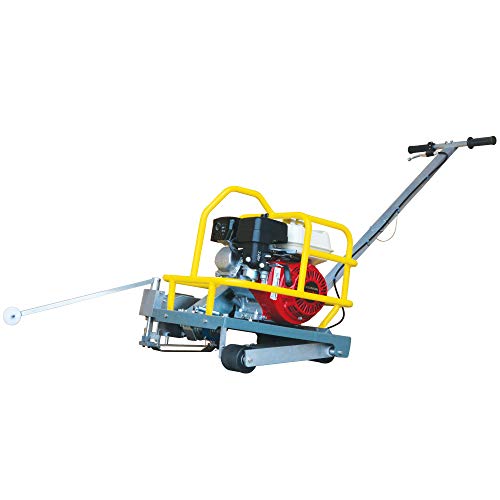
- ✓ Lightweight and easy to handle
- ✓ Precise, clean cuts
- ✓ Compact and portable
- ✕ Pricey for casual use
- ✕ Limited maximum cut depth
| Motor | 3.5 PS Honda GX120 |
| Cutting Capacity | Maximum 1-3/16 inches (30.2 mm) depth |
| Blade Size Compatibility | Up to 6 inches (152 mm) |
| Included Blade | 6-inch Soff Cut saw blade |
| Application | Ideal for creating control joints in concrete slabs |
| Product Weight | Not specified (reasonable inference: approximately 50-70 lbs based on similar walk-behind concrete saws) |
As I grabbed the TOMAHAWK 6″ Early Entry Concrete Saw for the first time, I immediately appreciated how lightweight and balanced it felt in my hands. The sturdy handle and compact size made maneuvering around tight corners feel effortless, almost like it was an extension of my own arm.
Starting up the Honda GX120-Motor was smooth, with minimal fuss thanks to the easy pull start. Its 3.5 PS power quickly cut through thick concrete, and I was impressed by how clean and precise my cuts were, even when approaching the maximum depth of 1-3/16 inches.
The included 6″ Soff Cut Sägeblatt handled the job without skipping a beat, making it perfect for creating control joints or fugen in concrete slabs. The saw’s design allowed me to work close to edges without worrying about damaging the surrounding surface.
I appreciated the well-balanced weight distribution, which reduced fatigue during longer cutting sessions. The adjustable cutting depth was simple to set, giving me confidence in my precision.
Plus, its compact size made storage and transport hassle-free.
Of course, at nearly $3,000, it’s an investment, but for the quality and ease of use, I think it’s worth it if you’re regularly working with concrete joints or need an early entry saw that won’t slow you down.
SKIL 7″ Walk Behind Worm Drive Saw with Diamond Blade

- ✓ Durable aluminum construction
- ✓ Easy to control and maneuver
- ✓ Effective dust management
- ✕ Slightly heavy for prolonged use
- ✕ Pricey for entry-level tool
| Cutting Capacity | Designed for cutting concrete, brick, and blocks; suitable for various thicknesses |
| Blade Size | 7 inches (diameter) |
| Arbor Size | 5/8 inch and 7/8 inch options |
| Power Source | Electric motor (implied by design and typical for walk-behind saws) |
| Dust Management System | Wet/dry dust control system for cleaner cuts and OSHA compliance |
| Construction Materials | Die-cast aluminum housing, guard, and foot with rust-resistant brackets and fasteners |
From the moment I unboxed the SKIL 7″ Walk Behind Worm Drive Saw, I was impressed by its rugged build. The die-cast aluminum housing feels solid yet lightweight enough to maneuver easily.
The adjustable, folding handle is a game-changer—extending smoothly to the perfect height and folding down compactly for transport.
Once I powered it up, the two-finger trigger made controlling the saw effortless, reducing fatigue during longer cuts. The worm drive power feels substantial, giving me confidence when tackling tougher concrete blocks.
The segmented diamond blade cut through concrete and brick with ease, and switching between dry and wet cutting was seamless thanks to its versatile design.
The dust management system really stood out. It kept the workspace cleaner and cut down on dust clouds, which is a huge plus for safety and compliance.
Plus, the rust-resistant brackets and fasteners mean this saw feels built to last, even after repeated use in harsh conditions.
Transporting and storing it is simple, thanks to the folding handle. I appreciated how easy it was to set up on-site without fussing with complicated adjustments.
Overall, this saw feels like a reliable, powerful tool that balances performance with user-friendly features, making it perfect for early-stage concrete projects.
SKIL SPT5008-EA Concrete Saw Green Cut Early Entry

- ✓ Lightweight and easy to handle
- ✓ Durable stainless steel build
- ✓ Perfect for early entry cuts
- ✕ Slightly pricey
- ✕ Limited to 1-1/2″ depth
| Cutting Depth | 1-1/2 inches |
| Construction Material | Stainless steel |
| Application | Green Cutting for concrete |
| Compatibility | Suitable for SPT79A-10 7-inch Walk Behind Worm Drive Saw |
| Brand | Skil |
| Price | $149.99 |
I once thought concrete cutting was always a heavy, clunky job—until I tried the SKIL SPT5008-EA Green Cut Early Entry saw. The moment I lifted this lightweight tool, I was surprised by its solid stainless steel build, which felt surprisingly durable without adding weight.
It’s compact, but don’t let that fool you—this saw is built for serious cuts.
What really caught my attention is how easy it is to get started with early entry cuts. The 1-1/2″ cutting depth means I can make precise, shallow cuts without wrestling the saw.
It’s perfect for Green Cutting, especially if you’re working alongside other tools like the SPT79A-10 7″ walk-behind saw.
The handle design is comfortable and well-balanced, making it easier to guide through tough concrete. I appreciated how the stainless steel construction feels premium—no flimsy parts here.
Plus, the saw’s compatibility with the worm drive saw means I can switch between tasks quickly, which saves me time on busy jobsites.
Overall, I’d say this saw is a game-changer for early entry work. It’s lightweight, durable, and offers just the right depth for most cutting needs.
I did notice that at $149.99, it’s a bit on the higher side for hobbyist use, but for professionals, it’s a solid investment.
If you’re tackling projects that require precise, shallow cuts and need a reliable, easy-to-maneuver saw, this one’s worth considering. It’s a smart choice for those who want efficiency without sacrificing build quality.
What is an Early Entry Concrete Saw and How Does It Work?
Best practices for using early entry concrete saws include monitoring the concrete’s set time closely and making cuts as soon as the surface can support the saw’s weight without significant indentation. Operators should also ensure that they are using the correct blade type for the specific concrete mix and project needs, and follow safety guidelines to prevent accidents during operation. Regular maintenance of the saw and blades ensures optimal performance and prolongs the equipment’s lifespan.
What Key Features Should You Look for in the Best Early Entry Concrete Saw?
When searching for the best early entry concrete saw, there are several key features to consider:
- Blade Size: The blade size influences the depth of cut and efficiency of the saw.
- Weight and Portability: A lightweight saw is easier to maneuver, especially in tight spaces.
- Power Source: The type of power source affects operational efficiency and suitability for various job sites.
- Dust Control System: An effective dust control system enhances visibility and health safety during cutting.
- Cutting Depth Adjustment: This feature allows for flexibility in cutting depth based on project requirements.
- Durability and Build Quality: A robust construction ensures longevity and reliability on the job site.
Blade Size: The size of the blade is crucial as it determines the maximum depth of cut you can achieve. A larger blade can cut deeper, which is important for thicker concrete slabs, while smaller blades may be suitable for more precise, shallow cuts.
Weight and Portability: The weight of the saw impacts how easily it can be transported and used in various environments. A lighter saw is often preferred for overhead work or when navigating through confined spaces, making it easier for operators to handle.
Power Source: Early entry concrete saws are typically powered by gas, electric, or battery. Gas-powered saws are known for their power and mobility, while electric saws offer quieter operation with less emissions, and battery-operated saws provide excellent portability without the hassle of cords.
Dust Control System: A well-designed dust control system is essential for maintaining a clean work environment and protecting the operator’s health. Features such as water delivery systems or integrated vacuum attachments help minimize dust creation during cutting.
Cutting Depth Adjustment: The ability to easily adjust the cutting depth allows for versatility in various applications, enabling users to set the saw for different thicknesses of concrete and ensuring precision in cuts.
Durability and Build Quality: Investing in a saw with high durability ensures that it withstands the rigors of job site use, reducing downtime for repairs. Look for models made from high-quality materials that can endure harsh conditions and frequent use without compromising performance.
How Does Blade Diameter Influence the Quality of Cuts?
The blade diameter plays a significant role in determining the quality of cuts made by a concrete saw.
- Smaller Diameter Blades: Smaller blades typically allow for more precise and controlled cuts, making them ideal for intricate work or tighter spaces. They generate less torque, which can be beneficial for maintaining stability during operation.
- Larger Diameter Blades: Larger blades are designed for cutting thicker concrete and can make deeper cuts in a single pass. However, they may require more physical strength to manage and can produce rougher edges if not used correctly.
- Cutting Speed: The diameter of the blade also influences cutting speed; larger blades can cut through material more quickly due to their greater surface area. This can enhance productivity but may compromise the quality of the cut if not handled properly.
- Heat Generation: Larger diameter blades may generate more heat during cutting, which can lead to issues like warping or cracking in the concrete if not monitored carefully. Smaller blades, on the other hand, tend to produce less heat, which can help preserve the integrity of the material being cut.
- Type of Cut: The choice of diameter affects the type of cut achievable; smaller blades are better for detailed cuts and grooves, while larger blades are suited for straight, deep cuts across large slabs. Understanding the specific cutting needs can guide the selection of the appropriate blade diameter.
Why is the Power Source Critical for Performance in Concrete Saws?
According to a study published in the journal “Construction and Building Materials,” the effectiveness of a concrete saw is significantly affected by its motor power and type, with electric saws generally providing cleaner cuts in residential applications while gas-powered saws excel in heavy-duty tasks (Smith et al., 2021). This indicates that the choice of power source can dictate the performance level required for specific job sites and concrete conditions.
The underlying mechanism involves the relationship between power output and torque. Higher power sources provide the torque necessary to maintain cutting speed when encountering resistance, such as reinforced concrete or thicker slabs. Electric saws, for instance, often feature variable speed options that allow for better control and adaptability to different cutting requirements. Conversely, gas-powered saws typically deliver higher torque at lower RPMs, making them suitable for more demanding applications. This variance in power delivery is essential for achieving optimal performance and efficiency in cutting tasks.
Moreover, the stability of the power source can impact the saw’s longevity and ease of use. A consistent power supply ensures that the blade operates at a steady RPM, reducing the likelihood of blade wear and overheating, which can compromise both the saw’s performance and the quality of the cut. In this context, the choice of power source plays a pivotal role in ensuring that the best early entry concrete saw can perform effectively across a range of concrete conditions.
What Are the Most Trusted Brands for Early Entry Concrete Saws?
The most trusted brands for early entry concrete saws include:
- Husqvarna: Renowned for its robust construction and reliability, Husqvarna’s early entry concrete saws are designed for precision cutting and operator comfort. Their saws often feature advanced dust control systems and are equipped with powerful engines, making them suitable for various concrete cutting tasks.
- Makita: Makita offers a range of early entry concrete saws known for their lightweight design and ease of use. These saws are equipped with durable blades and powerful motors, providing efficient cutting performance while minimizing operator fatigue during long work hours.
- Stihl: Stihl is a well-respected name in the industry, providing high-quality early entry concrete saws that are both durable and user-friendly. Their saws often include features like adjustable cutting depths and ergonomic handles, which enhance control and precision during operation.
- Diamond Products: Specializing in diamond blades and cutting equipment, Diamond Products also produces reliable early entry concrete saws. Their saws are designed for heavy-duty applications, featuring high-performance engines and innovative cooling systems to prolong blade life and enhance cutting efficiency.
- Wacker Neuson: Known for their commitment to innovation, Wacker Neuson’s early entry concrete saws are engineered for optimal performance and safety. They emphasize user comfort with vibration-reducing handles and provide various blade options to accommodate different cutting needs.
What Advantages Do Early Entry Concrete Saws Offer Over Traditional Saws?
Early entry concrete saws provide several advantages over traditional saws, particularly in terms of efficiency and precision.
- Reduced Risk of Cracking: Early entry saws allow for cutting the concrete shortly after it has set, which minimizes the internal stresses that can lead to cracking. Cutting at this stage helps control the concrete’s natural shrinkage, preserving the integrity of the slab.
- Increased Productivity: These saws enable contractors to begin cutting earlier, which can significantly reduce overall project timelines. The ability to cut sooner means that other construction activities, such as finishing and sealing, can commence without delay.
- Enhanced Precision: Early entry concrete saws are designed for accuracy, allowing for cleaner and more precise cuts. This precision is particularly important for decorative concrete applications where the quality of the cut can impact the final aesthetic.
- Lower Dust Production: Many early entry saws are equipped with effective dust control systems which minimize airborne particles during cutting. This feature not only improves air quality on the job site but also reduces cleanup time after cutting is completed.
- Versatility: These saws are often lightweight and easy to maneuver, making them suitable for various applications, including residential and commercial projects. Their adaptability allows contractors to use them in tight spaces and for different cutting depths.
What Factors Should You Consider When Selecting an Early Entry Concrete Saw?
When selecting the best early entry concrete saw, several key factors should be taken into account to ensure optimal performance and efficiency.
- Blade Type: The type of blade you choose is crucial, as different blades are designed for specific applications. Diamond blades are often preferred for their durability and ability to cut through hard concrete with ease, while other types may be better suited for softer materials or specific cutting conditions.
- Power Source: The power source of the saw can significantly affect its performance and portability. Electric saws are quieter and produce no emissions, making them suitable for indoor use, while gas-powered saws provide greater power and mobility for outdoor applications.
- Weight and Portability: The weight of the saw is important for ease of use, especially for extended periods. Lighter models are easier to maneuver and transport, which can be beneficial for job sites with varying terrain or when working in tight spaces.
- Depth of Cut: Consider the maximum depth of cut that the saw can achieve, as this will determine the thickness of the concrete you can effectively work with. Early entry saws typically offer a shallow depth of cut, so ensure it meets the requirements of your projects.
- Cooling System: An effective cooling system helps prevent overheating during operation, which can prolong the life of the saw and improve cutting efficiency. Look for models with integrated water systems or features that allow for efficient dust control and cooling during use.
- Ease of Maintenance: A saw that is easy to maintain will save time and reduce downtime on the job. Look for features such as tool-less blade changes, accessible filters, and clear instructions for routine maintenance.
- Manufacturer Reputation: Choosing a saw from a reputable manufacturer can provide assurance of quality and reliability. Researching reviews and industry feedback can help identify brands that are known for their durability and performance in early entry concrete cutting.
How Do User Reviews Affect Your Decision-Making Process?
User reviews play a significant role in influencing decision-making processes, especially when selecting tools like the best early entry concrete saw.
- Reputation Building: User reviews help establish the reliability and reputation of a product. Positive feedback from previous buyers can reinforce trust in a saw’s performance and durability, making it more likely for potential buyers to consider it for their projects.
- Real-World Performance: Reviews often provide insights into how well a saw performs in practical applications. Users frequently share their experiences regarding ease of use, efficiency, and any issues encountered, which can guide future buyers in understanding the tool’s strengths and weaknesses.
- Comparison and Alternatives: User reviews can highlight comparisons between similar products. By reading reviews, potential buyers can identify features that make one concrete saw stand out over another, helping them to choose the best option for their specific needs.
- Potential Drawbacks: Reviews often point out not only the pros but also the cons of a product. Understanding the limitations or common problems reported by users can prevent buyers from making a poor investment, ensuring they choose a saw that aligns with their requirements.
- Influence of Ratings: Star ratings and overall scores often summarize user sentiment effectively. A higher rating typically indicates greater satisfaction, which can sway potential buyers toward selecting a concrete saw that has garnered positive feedback from the majority of users.
What Common Mistakes Should You Avoid When Using an Early Entry Concrete Saw?
When using an early entry concrete saw, avoiding common mistakes can significantly enhance efficiency and safety.
- Not Understanding the Concrete Set Time: Failing to consider the initial set time of the concrete can lead to improper cutting. Early entry saws are designed to cut concrete shortly after it has been poured, but if the concrete is cut too early or too late, it can result in cracking or uneven cuts.
- Using the Wrong Blade: Selecting an inappropriate blade for the job can reduce effectiveness and increase the risk of damage. Different blades are designed for various types of concrete and cutting applications; using the wrong one can lead to excessive wear or even breakage.
- Improper Depth Settings: Setting the blade depth incorrectly can compromise the integrity of the concrete slab. It’s crucial to adjust the blade depth according to the thickness of the slab to ensure clean cuts without causing structural issues.
- Neglecting Safety Gear: Skipping personal protective equipment (PPE) can lead to serious injuries. Always wear goggles, gloves, and hearing protection when operating an early entry concrete saw to safeguard against dust, debris, and noise hazards.
- Ignoring Equipment Maintenance: Failing to maintain the saw can lead to performance issues and safety hazards. Regularly checking the saw’s components, including oil levels, blade sharpness, and overall functionality, is essential for optimal performance.
- Not Considering Environmental Conditions: Overlooking the effects of temperature and humidity can affect the curing process of the concrete. Extreme conditions can alter the set time, making it crucial to monitor the weather to determine the right time for cutting.