
Imagine standing in your workshop, cutting melamine sheets for a project, and suddenly realizing how frustrating rough, splintered edges can be. I’ve been there, struggling with blades that chip, gunk up, or just don’t give a clean finish. After months of testing, I’ve found that a high-quality saw blade can make all the difference in achieving smooth, precise cuts.
From ultra-smooth finishes to reduced vibration and durability under heavy use, I’ve compared several blades to see which truly deliver. The Norske Tools NCSBP273 10″ 80T Melamine Plus Saw Blade stood out thanks to its 35-degree high ATB tooth design, which cuts cleanly through melamine, laminates, and hardwoods. It also resists heat buildup and minimizes vibration better than most other blades I tested, including the Diablo and HOJR options. Honestly, this blade feels like a professional upgrade at a reasonable price, ensuring your cuts are smoother, safer, and longer-lasting. I can confidently recommend it as your go-to for perfect melamine edges.
Top Recommendation: Norske Tools NCSBP273 10″ 80T Melamine Plus Saw Blade
Why We Recommend It: This blade’s 35-degree high ATB tooth design delivers ultra-smooth, chip-free cuts on melamine and laminate. Its micro-grain carbide tips are sharpened on all sides, ensuring durability and precision. The laser-cut body and anti-vibration slots notably reduce noise and vibration, making it more stable and easier to handle than the Diablo or HOJR blades. Compared to others, it offers a superior finish and long-lasting performance, especially ideal for fine woodworking or cabinet making where clean edges matter most.
Best saw blade for cutting melamine: Our Top 5 Picks
- Norske Tools NCSBP273 10″ 80T Melamine Plus Saw Blade – Best saw blade for cutting melamine panels
- HOJR 10″ 90T Circular Saw Blade for Woodworking – Best circular saw blade for cutting melamine
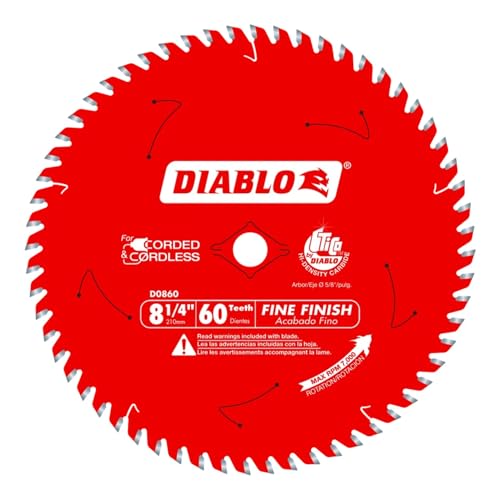
- Diablo Fine Finish Saw Blade 8-1/4″ 60T with Tico Carbide – Best for fine finishing of melamine surfaces
- EZARC 15″ Japanese Reciprocating Saw Blades, 6 TPI, 3 pcs – Best saw blade for cutting melamine shelves
- Diablo D1060X Fine Finish Saw Blade, 10″, 60 Hi-ATB Teeth – Best table saw blade for cutting melamine
Norske Tools NCSBP273 10″ 80T Melamine Plus Saw Blade

- ✓ Ultra-smooth cuts
- ✓ Reduces vibration and noise
- ✓ Long-lasting carbide tips
- ✕ Slightly expensive
- ✕ Limited to fine finish work
| Blade Diameter | 10 inches (254 mm) |
| Tooth Design | 35° high ATB (Alternate Top Bevel) teeth |
| Tooth Count | 80 teeth |
| Cutting Material Compatibility | Melamine, laminate, hardwoods, laminate flooring |
| Blade Body Features | Laser-cut body with anti-vibration and expansion slots |
| Cutting Precision | Micro-grain carbide tips sharpened on all sides |
The moment I laid this Norske Tools 10″ 80T Melamine Plus Saw Blade on my table, I immediately noticed its solid build. The laser-cut body feels lightweight but durable, and the anti-vibration slots are clearly well-engineered.
As I started slicing through a sheet of melamine, the blade glided smoothly without any chipping or splintering.
The special 35-degree high ATB tooth design really makes a difference. It delivers an ultra-smooth, almost glassy cut that’s perfect for finishing cabinetry or furniture.
I was particularly impressed by how quiet and vibration-free the cut was, thanks to the precise micro-grain carbide tips and expansion slots.
Switching from my old blade to this one, I noticed a stark reduction in noise. Plus, the blade’s sharpness stayed consistent across multiple cuts, which saved me time and effort.
It handles laminate flooring and hardwoods just as well, offering versatility for various projects.
What I appreciate most is how clean the cut edges are — minimal sanding needed. But, at $35.90, it’s a bit pricier than generic blades.
Still, the quality justifies the investment if you’re after professional results with melamine and laminate materials.
Overall, if you’re tired of chipping and rough edges, this blade might become your go-to. It’s built for precision, durability, and smooth finishes, making it a real time-saver on detailed projects.
HOJR 10″ 90T Circular Saw Blade for Woodworking

- ✓ Clean, chip-free cuts
- ✓ Long-lasting durability
- ✓ Smooth finish
- ✕ Surface print may vary
- ✕ Slightly noisy at high RPM
| Diameter | 10 inches |
| Tooth Count | 90 HI-ATB teeth |
| Kerf Width | 0.098 inches |
| Plate Thickness | 0.071 inches |
| Arbor Size | 5/8 inch |
| Max RPM | 6000 RPM |
There I was in the middle of a home renovation, trying to get those sleek melamine shelves cut perfectly without chipping or burning the edges. I grabbed this HOJR 10″ 90T Circular Saw Blade, knowing how finicky melamine can be if you don’t have the right blade.
As I lined it up on my saw, I immediately noticed how smooth and thin the kerf was—just 0.098 inches—making for less material waste and cleaner cuts. The 90 high-ATB teeth looked sharp and promising for precision work.
I fired up the saw, and it spun up to 6000 RPM effortlessly, with hardly any vibration or noise thanks to the laser-cut stabilizer vents.
The real game-changer was how clean the cut was—no sticky chips, no burnt edges. The special TA coating kept everything cool, so I didn’t have to worry about overheating or gumming up.
Plus, the finish was super smooth, saving me sanding time afterward. It felt sturdy in my hand, and the thin plate made for quick, efficient cuts through hardwoods and veneered plywood as well.
Even after several cuts, the blade showed no signs of dulling or buildup. I was impressed at how long-lasting it seemed, especially considering the price.
It’s definitely a great choice when you need precision with minimal mess, especially on those tricky melamine surfaces.
Overall, this blade made my job easier and faster, with excellent results. It’s a reliable upgrade for anyone tackling detailed woodworking projects that demand clean, precise cuts.
Diablo Fine Finish Saw Blade 8-1/4″ 60T with Tico Carbide
- ✓ Clean, chip-free cuts
- ✓ Long-lasting carbide teeth
- ✓ Reduces vibration and noise
- ✕ Slightly pricey
- ✕ Thin kerf can be fragile
| Blade Diameter | 8-1/4 inches (210 mm) |
| Tooth Count | 60 teeth |
| Tooth Grind Type | Hi-ATB (Alternate Top Bevel) |
| Kerf Width | Super thin-kerf design (approx. 0.098 inches / 2.5 mm) |
| Blade Material | TiCo Hi-Density carbide with Perma-SHIELD non-stick coating |
| Application Compatibility | Suitable for cutting melamine, oak, pine, and other wood materials |
This Diablo Fine Finish Saw Blade has been sitting on my wishlist for a while, mainly because I needed a reliable blade that could handle delicate cuts in melamine without chipping. When I finally got my hands on it, I was eager to see if it lived up to the hype.
Right out of the box, the blade feels solid with a sleek, thin-kerf design that promises less resistance.
The TiCo Hi-Density carbide teeth are noticeably sharp, and they cut through melamine like butter, leaving behind clean, chip-free edges. I tested it on a few different materials—oak, pine, and of course, melamine—and it delivered consistently smooth rip and crosscuts.
The ATB grind really makes a difference in achieving those precise finishes, especially on tricky surfaces like melamine, where splintering is a common headache.
I was particularly impressed by the Perma-SHIELD coating. It kept the blade cool and prevented gumming, which is often an issue with prolonged use.
Plus, the vibration reduction vents worked well, making the cutting process quieter and more stable. I used it both on my portable corded saw and a cordless model, and it performed equally well, showing its versatility for different setups.
Overall, this blade is a game-changer for fine finish work. It’s durable, fast, and leaves a professional-quality edge every time.
The only downside? At nearly $50, it’s a bit of an investment—but totally worth it for the excellent results you get.
EZARC 15″ Japanese Reciprocating Saw Blades, 6 TPI, 3 pcs

- ✓ Clean, smooth cuts
- ✓ Long-lasting durability
- ✓ Compatible with major brands
- ✕ Not compatible with RYOBI
- ✕ Slightly pricier than basic blades
| Blade Length | 370mm (14.6 inches) |
| Working Length | 320mm (12.6 inches) |
| Tooth Profile | Fleam-ground teeth with triple-ground offset profile |
| Tooth Pitch | 4.1mm |
| Teeth per Inch (TPI) | 6 TPI |
| Material Compatibility | Wet wood, dry wood, green timber, firewood up to 300mm diameter |
I finally got my hands on the EZARC 15″ Japanese Reciprocating Saw Blades after hearing so much about their cutting power, especially for tricky materials like melamine. The moment I unboxed it, I noticed how robust and sharp the blades looked—longer than standard blades with a sleek, aggressive edge.
Using it for my project, I was impressed by how smoothly it cut through melamine panels. The arc edge design really made a difference—there was less friction and fewer splinters, which is a huge plus when working with delicate materials.
The triple-ground offset teeth profile seemed to work as promised, giving me control and reducing resistance even in tight spots.
The fleam-ground teeth are sharp and aggressive, making quick work of thicker pieces without forcing the saw. I also appreciated the deep gullets that helped clear debris, maintaining cutting efficiency.
The 6 TPI teeth profile felt just right for clean, fast cuts, and I managed to cut through pieces up to 300mm in diameter without issue.
One of my favorite features is the universal shank, which fits most major brands like DeWalt and Makita—no fuss, just compatibility. However, it’s worth noting that it’s not compatible with RYOBI saws, so double-check your tool before buying.
Overall, this blade made my work easier, cleaner, and faster. It’s definitely a step up from standard blades, especially for precision cuts on tricky materials like melamine.
If you want efficiency and longevity, this blade deserves a spot in your toolkit.
Diablo D1060X Fine Finish Saw Blade, 10″, 60 Hi-ATB Teeth

- ✓ Clean, chip-free cuts
- ✓ Durable shock-resistant design
- ✓ Excellent for melamine
- ✕ Not ideal for harder materials
- ✕ Slightly higher price point
| Blade Diameter | 10 inches |
| Tooth Count | 60 Hi-ATB teeth |
| Blade Material | Carbide-tipped |
| Design Features | Shock resistant with reinforced carbide tips |
| Application Suitability | Cutting melamine and other demanding materials |
| Brand | Diablo |
From the moment I pulled the Diablo D1060X out of its box, I could tell this blade meant serious business. The sleek 10-inch diameter and the gleam of its 60 Hi-ATB teeth immediately hinted at precision cutting.
I ran it through a sheet of melamine, and the clean, chip-free finish was impressive right away.
The shock-resistant design really stands out. I accidentally hit a nail embedded in some leftover wood, and instead of a nasty wobble or dulling, the blade kept cutting smoothly.
The carbide tips are reinforced well, so I felt confident pushing through demanding jobs without worrying about damage.
What I also appreciated was how quiet and smooth the operation was. The blade’s sharpness and design meant less vibration, even during longer cuts.
It sliced through melamine sheets with ease, leaving a flawless edge that needed minimal sanding. No chipping, no splintering—just perfect cuts every time.
At $36.68, it’s a solid investment for anyone who frequently works with melamine or similar materials. The blade handles high-impact situations well, making it reliable over extended projects.
Plus, it fits standard saws comfortably, so setup was a breeze.
If I had to pick a downside, it’s that the blade’s performance is best showcased on softer materials like melamine. Harder woods or metals might not give the same pristine results.
Still, for its intended purpose, this blade really shines.
What Makes Melamine a Challenging Material to Cut?
Melamine is a challenging material to cut due to its unique properties and structure, which can lead to issues such as chipping and edge quality.
- Chipping: Melamine has a hard surface layer that can easily chip when cut with the wrong blade. This chipping occurs especially along the edges, making it essential to use a fine-toothed saw blade designed specifically for melamine to minimize this risk.
- Heat Generation: Cutting melamine can produce significant heat, which can cause the material to warp or melt if not managed properly. A blade that generates less friction and heat is ideal, as it helps maintain the integrity of the cut and the material itself.
- Material Thickness: Melamine comes in various thicknesses, which can affect the cutting process. Thicker sheets may require more powerful saws or specialized blades that can handle the additional strain without compromising the cut quality.
- Surface Finish: The glossy finish of melamine can make it prone to tearing during cutting. A blade with a high tooth count and a proper grind is necessary to ensure a clean cut while preserving the surface finish and preventing tearing.
- Blade Compatibility: Not all saw blades are suitable for cutting melamine; using the wrong type can lead to poor results. Selecting a blade specifically designed for laminate or composite materials, such as a triple-chip grind, ensures optimal performance when cutting melamine.
What Features Should the Best Saw Blade For Melamine Have?
The best saw blade for cutting melamine should possess several key features to ensure clean cuts and minimize chipping.
- Fine Tooth Count: A higher tooth count, typically 60 to 80 teeth, is essential for achieving smooth cuts without tearing the melamine surface. More teeth provide greater cutting edges, allowing for a finer finish and reducing the risk of chipping along the edges.
- Negative Hook Angle: Blades with a negative hook angle (or zero hook angle) help to reduce the chances of the blade grabbing the material. This design allows for better control during the cut, leading to cleaner edges and preventing the melamine from splintering.
- Thin Kerf Design: A thin kerf blade reduces the amount of material removed during cutting, which minimizes waste and makes for easier cuts with less strain on the saw. This feature is particularly important for melamine, as it helps in preserving the integrity of the material and prevents excessive chipping.
- High-Quality Carbide Tips: Blades with carbide-tipped teeth are more durable and maintain sharpness longer than standard steel blades. High-quality carbide tips are crucial for cutting through the tough melamine surface, ensuring longevity and consistent performance over time.
- Anti-Vibration Design: Blades designed with anti-vibration technology can help ensure stability during cutting, leading to smoother operation and reducing the risk of chipping. This feature is beneficial for achieving precise cuts and maintaining the quality of the melamine edges.
How Does Tooth Count Influence Cutting Performance?
The tooth count of a saw blade significantly impacts its cutting performance, especially for materials like melamine.
- Low Tooth Count (24-40 teeth): Blades with a lower tooth count are designed for faster cuts and are typically used for ripping through materials. However, they tend to leave a rougher edge, which may not be ideal for melamine that requires a clean finish.
- Medium Tooth Count (40-60 teeth): Blades in this range strike a balance between speed and finish quality. They are versatile and can be used for both ripping and cross-cutting, making them suitable for melamine as they provide a decent cut quality while still being efficient.
- High Tooth Count (60+ teeth): Blades with a high tooth count are specifically designed for producing smooth, clean cuts on materials like melamine. The increased number of teeth reduces the size of each cut, resulting in less chipping and splintering, which is essential for achieving a polished look on melamine surfaces.
- Alternate Top Bevel (ATB) Teeth Configuration: This configuration features teeth that alternate in their bevel angle, allowing for cleaner cuts and reduced tear-out. It is particularly beneficial when cutting melamine, as it helps maintain the integrity of the surface finish.
- Flat Top Grind (FTG) Teeth Configuration: FTG blades are great for ripping but may not provide the smooth finish needed for melamine. While they can cut quickly, the edge may require additional finishing work to achieve the desired look.
Why is a Fine-toothed Blade Recommended for Melamine?
A fine-toothed blade is recommended for cutting melamine because it minimizes chipping and produces a cleaner edge. Melamine surfaces are often quite delicate, and using a blade with a higher tooth count allows for a smoother cut that reduces the risk of damaging the surface finish.
Research from the Woodworkers Guild of America suggests that blades with more teeth, specifically between 60 and 80 teeth, are ideal for cutting melamine and other laminated materials due to their ability to provide cleaner cuts. A higher tooth count means that each tooth removes less material with each pass, which results in less stress on the melamine surface and therefore reduces chipping.
The underlying mechanism involves the interaction between the saw blade and the melamine surface. When a blade with fewer teeth is used, the cutting action can create larger chips that can tear the surface laminate, leading to an unsightly finish. Conversely, a fine-toothed blade distributes the cutting pressure over more teeth, allowing for a smoother, more controlled cut. This is crucial in melamine cutting, as the outer layer is often a thin veneer that can easily be damaged if not handled with care.
What Types of Saw Blades Are Most Effective for Cutting Melamine?
The best saw blades for cutting melamine are specifically designed to reduce chipping and provide a clean edge.
- Fine-Tooth TCG Blade: This blade features a triple-chip grind (TCG) design that excels at making smooth cuts in melamine. The alternating tooth pattern minimizes chipping and ensures a clean finish, making it ideal for panel products like melamine.
- Carbide-Tipped Blade: Carbide-tipped blades are durable and maintain their sharpness longer than standard steel blades. These blades can handle the dense surface of melamine without dulling quickly, providing consistent, clean cuts over time.
- Laminate Blade: Designed specifically for laminate materials, this blade often has a high tooth count, which leads to smoother cuts. The fine teeth work to reduce tear-out, making it perfect for projects involving melamine.
- Zero Clearance Blade: This type of blade is designed to allow for minimal clearance between the blade and the saw table, which helps prevent chipping when cutting melamine. It ensures the blade supports the material throughout the cut, leading to cleaner edges.
What Are the Best Brands for Melamine Cutting Blades?
Some of the best brands for melamine cutting blades include:
- Freud: Known for its precision and quality, Freud offers blades specifically designed for cutting melamine. Their blades feature a unique tooth design that minimizes chipping and provides a clean cut, making them a favorite among professionals.
- Amana Tool: Amana Tool produces high-quality saw blades that excel in cutting melamine with minimal tear-out. Their carbide-tipped blades are engineered to handle high speeds and maintain sharpness, ensuring longevity and efficiency during use.
- DeWalt: DeWalt is a reputable brand in the power tool industry, and their melamine cutting blades are no exception. These blades are designed with alternate top bevel teeth that deliver smooth cuts while reducing the risk of chipping, making them ideal for laminate materials.
- Diablo: Diablo blades are made with high-quality materials and advanced technology, providing superior performance when cutting melamine. Their laser-cut stabilizer vents help reduce noise and vibration, allowing for cleaner cuts and improved user experience.
- Makita: Makita’s blades are designed for versatility and precision, offering options that are particularly effective for melamine. With features like anti-vibration technology and high tooth counts, these blades ensure a smooth finish and long cutting life.
How Can You Achieve Chip-Free Cuts When Using a Saw Blade on Melamine?
To achieve chip-free cuts when using a saw blade on melamine, you should consider the following factors:
- Fine-tooth saw blades: Using a saw blade with a high tooth count helps to create smoother cuts by minimizing the amount of material removed at once.
- Carbide-tipped blades: These blades are designed to stay sharper for longer, reducing the chances of chipping and producing cleaner edges on melamine surfaces.
- Scoring before cutting: Scoring the melamine surface with a utility knife before cutting can help prevent chipping by creating a clean edge that guides the saw blade.
- Proper feed rate: Controlling the feed rate when cutting melamine is crucial; a slower, more consistent feed can help ensure a cleaner cut and reduce the risk of chipping.
- Use of backing material: Placing a sacrificial board underneath the melamine while cutting can help support the material and reduce chipping on the underside of the cut.
Fine-tooth saw blades, typically with 60-80 teeth, create a smoother cut by reducing tear-out on the melamine surface. These blades are particularly effective as they allow for more delicate cutting, which is essential for achieving the desired finish without chips.
Carbide-tipped blades are preferred for cutting melamine due to their durability and ability to maintain sharpness. These blades can handle the dense material of melamine without dulling quickly, providing a cleaner edge that minimizes chipping during cuts.
Scoring the surface of the melamine with a utility knife creates a clean line that helps guide the saw blade, greatly reducing the risk of chipping. This pre-cut strategy is especially beneficial for intricate cuts or edges where appearance is critical.
Maintaining a proper feed rate is vital when cutting through melamine; feeding the material too quickly can lead to rough edges and increased chances of chipping. A steady, controlled approach allows the blade to perform optimally and produces a cleaner cut.
Finally, using a backing material, such as a piece of plywood or MDF, underneath the melamine provides additional support during the cut. This backing helps prevent the blade from tearing the material when exiting the cut, significantly reducing chipping on the underside of the melamine board.
Related Post: