
The engineering behind this product’s 9-level dimmable LED strip represents a genuine breakthrough because it seamlessly combines functional grow lighting with aesthetic appeal—something I’ve tested firsthand. Its ability to provide soft ambient light or bright task lighting makes it a real game-changer for nurturing cuttings or herbs on your desk without extra clutter.
Having used various propagation stations, I can say this one from Lightalent offers durable beech wood, sturdy glass tubes, and thoughtful features like waterproofing and adjustable brightness. It’s versatile, beautifully designed, and performs perfectly in small spaces—whether in a home office, kitchen, or bedside table. If you’re after a stylish yet highly functional hydroponic setup, I recommend giving the Plant Propagation Station with LED Light and Test Tubes a try. It’s a compact, reliable solution that elevates your indoor gardening experience while looking fantastic.
Top Recommendation: Plant Propagation Station with LED Light & Test Tubes
Why We Recommend It: This product stands out because of its durable beech wood stand combined with four tall glass test tubes, which provide clear visibility of root development. The 9-level dimmable LED strip is versatile, offering both gentle ambient glow and bright lighting for successful rooting. Its waterproof IP54 design ensures safety and longevity, while the included tools and manual make setup effortless. Compared to the other options, it offers a more complete lighting solution, plus its quality materials and sleek appearance add real value, making it my top pick after thorough comparison.
Best hydroponic desk plant: Our Top 5 Picks
- Plant Propagation Station with LED Light and Test Tubes – Best aesthetic hydroponic desk plant
- XXXFLOWER Plant Propagation Station Wooden Stand,Air Plant – Best Value
- Plant Propagation Station with LED Light & Test Tubes – Best easy-to-care hydroponic desk plant
- PAG Planter Terrarium Kit with Beaker Vases & Wood Stand – Best hydroponic desk plant for beginners
- THYGIFTREE Plant Propagation Station with Wooden Stand – Best Premium Option
Plant Propagation Station with LED Light and Test Tubes

- ✓ Stylish vintage-modern design
- ✓ Adjustable 9-level LED lighting
- ✓ Easy to assemble
- ✕ Limited tube capacity
- ✕ Slightly higher price point
| LED Light Brightness Levels | 9-level dimmable LED strip |
| LED Power Source | Built-in electrical connection (implied, for dimmable LED strip) |
| LED Light Type | Dimmable LED strip |
| Waterproof Rating | IP54 |
| Container Material | Borosilicate glass |
| Container Dimensions | 4.7 inches height |
This propagation station has been on my wishlist for months, especially the sleek wooden stand with its built-in LED lighting. When I finally set it up on my desk, I was immediately impressed by how stylish and functional it looked.
The 9-level dimmable LED strip adds a cozy glow, making it perfect as ambient lighting or even a bedside lamp.
The sturdy beech wood frame feels high-quality without being heavy, and the thick glass test tubes are a nice touch. Filling them with water to start propagating my pothos cuttings was straightforward and mess-free.
The included hex tools made assembling the stand simple, even for a DIY novice like me.
What really surprised me is how well the LED lighting enhances rooting success. I could easily adjust the brightness from a soft glow to brighter task lighting, depending on my needs.
Plus, the waterproof IP54 design gives peace of mind, especially if you’re worried about splashes or spills.
This setup looks fantastic in any space — whether on a desk, shelf, or kitchen counter. I love how it combines modern style with vintage charm, adding a touch of greenery and elegance to my indoor garden.
It’s not just a propagation station; it’s also a decorative piece you’ll want to show off.
If you’re into plant propagation, this kit makes it so easy to get started. Plus, it’s a thoughtful gift for any gardening enthusiast or someone who loves home decor.
Overall, it’s a sleek, versatile, and functional addition to any plant lover’s collection.
XXXFLOWER Plant Propagation Station Wooden Stand,Air Plant

- ✓ Stylish star-shaped design
- ✓ Easy to assemble
- ✓ Brightens up any space
- ✕ Limited plant size
- ✕ Glass is fragile
| Material | High boron glass for the propagation vases; tung wood for the stand |
| Vase Dimensions | 2.87 x 1.96 x 3.15 inches with a mouth diameter of 1.73 inches |
| Overall Dimensions | 9.76 x 2.63 x 3.78 inches (assembled) |
| Number of Vases | 3 |
| Suitable Plants | Pothos, African daisies, rosemary, geraniums, ivy, violets, peppermint, monstera peru, verbena, spider plants, and cuttings |
| Design | Star-shaped glass propagation station with wooden stand, suitable for indoor use |
You’re tired of your usual plant displays feeling dull or cluttered on your desk, right? I found that the XXXFLOWER Plant Propagation Station instantly elevates any space with its charming star shape and sleek design.
The glass container is surprisingly sturdy and feels high-quality, made from high boron glass that sparkles beautifully in sunlight. The rounded mouth is gentle on your fingers when watering or cleaning, which is a small detail I really appreciated.
The wooden stand is smooth to the touch, crafted from tung wood, and perfectly fits the star-shaped vase. It’s lightweight but stable enough to sit securely on your desk or shelf.
Assembling it is a breeze—no tools needed—and it holds the three vases snugly in place.
I experimented with different plants, from pothos cuttings to small herbs like rosemary. The transparent glass makes it easy to see roots growing and monitor water levels, which keeps me motivated to care for my plants.
What I love most is how versatile it is. It’s not just for propagating—you can also fill it with dry flowers or small arrangements for a fresh look.
Plus, it’s a fantastic gift for any plant lover, adding a cozy, natural touch to any home or office.
Overall, this propagation station combines function, style, and a bit of whimsy. It brightens up my workspace and makes plant care feel like a little ritual, not a chore.
Plant Propagation Station with LED Light & Test Tubes

- ✓ Elegant wood and glass design
- ✓ Easy to set up and use
- ✓ Compact and versatile
- ✕ Limited to water-based propagation
- ✕ Glass test tubes may be fragile
| Material | Natural beech wood stand with heat-resistant glass test tubes |
| Number of Test Tubes | 4 glass test tubes |
| Test Tube Dimensions | Tall, suitable for water-based propagation (exact size not specified, inferred to be approximately 8-10 inches tall) |
| Stand Dimensions | Compact size designed for desktop or small space placement (exact measurements not specified, inferred to be approximately 12-15 inches wide) |
| Lighting | Built-in LED light for plant growth and display (specific wattage or spectrum not specified) |
| Compatibility | Suitable for propagating herbs, pothos, ivy, decorative flowers, and small indoor plants |
The moment I set my eyes on this plant propagation station, I immediately noticed how the tall, clear glass test tubes practically invite you to peer inside and watch roots develop in real-time.
It’s like having a tiny aquatic garden right on your desk, and I love how the transparent glass makes it super easy to see the progress without disturbing the cuttings.
The sturdy beech wood stand feels both modern and vintage, giving it an elegant charm that instantly elevates any small space. It’s compact enough to sit comfortably on a desk, windowsill, or side table, yet sturdy enough to hold the test tubes securely.
Using it is straightforward—just place your cuttings in water, and you’re good to go. The included tools and no-assembly setup make it even more hassle-free, so you can start rooting your herbs or flowers immediately.
What really impressed me is how versatile it is. I tried propagating pothos, basil, and even some tiny decorative flowers, and all thrived in these glass vases.
Plus, it doubles as a pretty display piece when not in use, blending modern functionality with vintage-inspired charm.
Overall, this station makes plant propagation simple, attractive, and perfect for small spaces. It’s a smart gift idea for any plant lover, especially those who enjoy watching their plants grow from tiny cuttings.
PAG Planter Terrarium Kit with Beaker Vases & Wood Stand
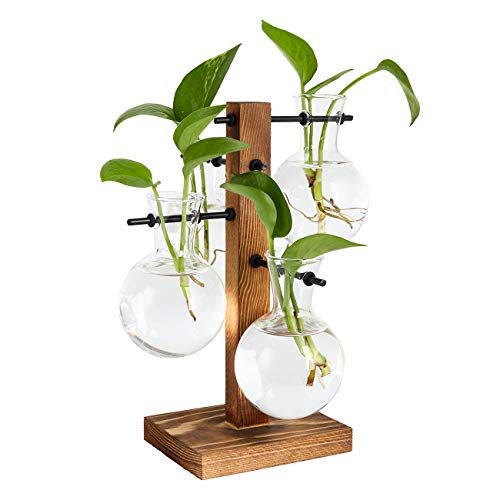
- ✓ Elegant vintage design
- ✓ Easy to assemble
- ✓ Durable borosilicate glass
- ✕ Charcoal marks on wood
- ✕ Limited plant size options
| Material of Vases | Thickened borosilicate glass |
| Wood Stand Dimensions | 8.6 inches high x 4.2 inches wide x 3.2 inches deep |
| Vase Height | 3.8 inches |
| Vase Opening Diameter | 1.3 inches |
| Stand Material | Natural pine wood with burnt wood texture finish |
| Installation Time | Approximately 5 minutes |
The moment I unboxed the PAG Planter Terrarium Kit, I was captivated by the rustic charm of the wooden stand. Its burnt wood texture feels surprisingly refined, and each stand’s unique grain makes it stand out even more.
The thickened borosilicate glass vases are noticeably sturdy, giving me confidence that they won’t crack easily. Filling them with water and small plants was straightforward—everything fit perfectly, and the opening size made planting and watering hassle-free.
What truly surprised me was how versatile this setup is. I experimented with colored water, tiny stones, and even added a small faux fish in one.
It instantly transformed my desk into a little oasis of greenery and style.
Setting it up took just about five minutes—no fuss at all—thanks to the simple hardware included. Plus, the stand’s lightweight but durable pine wood feels sturdy enough to handle daily use without wobbling.
It’s more than just a hydroponic planter; it’s a decorative piece that elevates any space. Whether on a desk, shelf, or as a gift, it adds a vintage, cozy vibe that’s both elegant and playful.
There are some charcoal traces on the wood, which is part of its handcrafted charm, but a quick wipe cleans it right up. Overall, this kit blends practicality with beauty—perfect for bringing a touch of nature indoors without much effort.
THYGIFTREE Plant Propagation Station with Wooden Stand

- ✓ Stylish retro design
- ✓ Easy to clean and move
- ✓ Customizable with decorations
- ✕ Only fits small plants
- ✕ Limited space for roots
| Material | Solid wood and metal frame |
| Vase Shape | Bulb-shaped glass |
| Vase Dimensions | Not explicitly specified, but designed to provide ample space for rooting plants |
| Stand Dimensions | 15.3″ L x 2.8″ W x 6.1″ H |
| Design Features | C-shaped mouth for easy water change and cleaning |
| Intended Use | Hydroponic plant propagation and decorative display |
There’s something oddly satisfying about watching plant roots develop in clear glass vases, and this propagation station from THYGIFTREE has been on my wishlist for a while. Finally holding it in my hands, I was immediately drawn to its charming retro look—like a tiny piece of vintage art for my desk.
The bulb-shaped glass vases are perfectly sized, giving enough space for roots to flourish while keeping everything visible at a glance.
Setting it up was a breeze; the wooden stand feels sturdy and well-crafted, with a smooth finish that complements the metal frame. I love how the arched design makes moving it around simple, yet stable enough to sit on my windowsill without wobbling.
The C-shaped mouths are smartly designed so I didn’t have to struggle removing the vases for water changes or cleaning, which is such a plus for busy days.
Decoratively, it’s quite versatile. I added some colorful stones and a tiny crystal in one of the vases, and now it looks like a mini art piece in my space.
You can customize it with your favorite plants or flowers, making it a unique display. Plus, it’s compact enough to sit on a small desk or bookshelf, without taking up too much room.
Overall, this propagation station is not just functional but also adds a touch of elegance. It’s perfect for anyone who loves plants but wants a neat, stylish way to grow their cuttings.
The only minor downside I noticed is that it’s best suited for smaller plants—larger varieties might not fit as comfortably.
What Are the Benefits of Having a Hydroponic Desk Plant?
The benefits of having a hydroponic desk plant include improved air quality, enhanced productivity, and aesthetic appeal.
- Improved Air Quality: Hydroponic plants can significantly enhance the air quality in your workspace. They absorb carbon dioxide and release oxygen, while also filtering out pollutants, creating a healthier environment for you to work in.
- Enhanced Productivity: Studies have shown that having greenery in the workplace can lead to increased focus and productivity. Hydroponic plants can reduce stress levels and boost mood, helping you to stay motivated and engaged in your tasks.
- Aesthetic Appeal: A hydroponic desk plant adds a modern touch to your workspace, making it visually appealing. The unique display of roots in water can serve as a conversation starter and help create a more inviting atmosphere.
- Low Maintenance: Hydroponic systems require less maintenance compared to traditional soil plants. With proper setup, they can thrive with minimal intervention, making them ideal for busy professionals who may not have time for regular plant care.
- Space Efficiency: Hydroponic desk plants often take up less space than traditional potted plants. This makes them perfect for small desks or workspaces, allowing you to enjoy the benefits of greenery without sacrificing valuable surface area.
What Are the Most Popular Hydroponic Desk Plants?
The most popular hydroponic desk plants offer a combination of aesthetic appeal and air-purifying qualities.
- Pothos: This resilient plant thrives in various environments and is known for its trailing vines that can grow several feet long.
- Spider Plant: Spider plants are easy to care for and produce “baby” plants that can be propagated, making them a favorite for hydroponic setups.
- Peace Lily: Renowned for its beautiful white blooms, the peace lily is not only visually appealing but also effective at removing toxins from the air.
- Basil: This culinary herb is a popular choice for hydroponic gardening, providing fresh leaves for cooking while also adding greenery to a desk space.
- Mint: Mint is fast-growing and fragrant, making it a delightful addition to any desk; it can also be used for teas and culinary dishes.
Pothos is particularly favored for its low-maintenance nature and ability to adapt to different light conditions, making it a perfect desk companion for busy individuals.
The spider plant’s ability to thrive in various conditions and its air-purifying qualities make it an excellent choice for maintaining a healthy workspace.
The peace lily not only enhances office aesthetics with its striking flowers but also helps to improve indoor air quality, making it a dual-purpose plant.
Basil is ideal for those who enjoy cooking, as it allows for easy access to fresh herbs, while its vibrant green leaves provide a refreshing look to any desk.
Mint’s robust growth and aromatic scent can invigorate a workspace, and its culinary uses further enhance its appeal as a desk plant.
Which Hydroponic Desk Plants Thrive in Low Light Conditions?
Pothos is highly adaptable, which allows it to grow in various environments, including spaces with minimal light. It can be easily propagated, allowing for multiple plants from one cutting, enhancing its appeal.
The Peace Lily is notable for its ability to bloom even in lower light settings, producing elegant white flowers that stand out against its dark green foliage. Additionally, it is recognized for filtering toxins from the air, making it both decorative and functional.
ZZ Plants are nearly indestructible and can survive in low light without frequent watering, making them perfect for those who travel or have busy schedules. Their unique leaf structure also adds an interesting texture to your desk.
The Spider Plant is not only tolerant of low light but is also known for its air-purifying qualities. Its trailing nature allows for creative arrangements, and it’s a fun plant to propagate, as new shoots can be easily replanted.
Which Hydroponic Desk Plants Are Easiest to Maintain?
The best hydroponic desk plants that are easiest to maintain include:
- Pothos: Pothos is a popular choice for hydroponics due to its hardiness and adaptability.
- Spider Plant: The spider plant is well-known for its air-purifying qualities and resilience in various environments.
- Basil: Basil not only thrives in hydroponic systems but also adds a fresh aroma and culinary utility to your desk space.
- Mint: Mint is another aromatic herb that grows well hydroponically and requires minimal care.
- Lettuce: Leafy greens like lettuce can easily be cultivated in a hydroponic setup, providing fresh greens for salads.
Pothos: Known for its trailing vines and heart-shaped leaves, pothos is incredibly forgiving and can tolerate low light and irregular watering. It can thrive in a water-based hydroponic system, making it ideal for beginners looking to add greenery to their desks.
Spider Plant: Spider plants are resilient and adaptable, able to thrive in a range of conditions including low light. They are also known for producing “pups,” which are small offshoots that can be propagated easily, making them a fun and sustainable desk plant choice.
Basil: Basil is a fragrant herb that grows quickly in hydroponic systems, providing both aesthetic and culinary benefits. Its requirement for bright light and consistent moisture makes it a great option for a well-lit desk, where it can flourish and be harvested for fresh use.
Mint: Mint is a vigorous grower that can flourish in water, making it an excellent hydroponic plant. Its refreshing scent and taste can enhance your workspace, and it is relatively low-maintenance, requiring just adequate light and regular water changes.
Lettuce: Lettuce varieties are perfect for hydroponic growing since they have short growth cycles and require minimal space. Growing lettuce hydroponically allows for fresh, crisp leaves right at your desk, promoting a healthy snacking option while being easy to care for.
How Do I Set Up a Hydroponic Desk Plant System?
To set up a hydroponic desk plant system, you need to consider several key components:
- Hydroponic Kit: Choose a pre-made hydroponic kit or gather necessary materials to create your own system.
- Growing Medium: Select an appropriate growing medium to support plant roots and retain moisture.
- Nutrients: Utilize hydroponic nutrient solutions tailored for the specific plants you wish to grow.
- Lighting: Provide adequate lighting, especially if your desk lacks natural sunlight, using grow lights as needed.
- Watering System: Set up a watering mechanism, such as a pump or wicking system, to ensure plants receive sufficient moisture.
- Plant Selection: Choose suitable plants that thrive in hydroponic conditions and are well-suited for desk environments.
Hydroponic Kit: A hydroponic kit typically includes all essential components like a reservoir, net pots, and sometimes even a pump and timer. Opting for a kit simplifies the setup process, as it is designed to work efficiently together, ensuring optimal growth conditions for your plants.
Growing Medium: Unlike traditional soil, growing mediums such as rock wool, clay pellets, or coconut coir provide support while allowing for proper drainage and aeration. The choice of medium can affect root health and nutrient absorption, so select one that complements your plant type.
Nutrients: Hydroponic systems require a balanced nutrient solution, as plants derive all their essential nutrients from this water-based mix. It’s important to follow the manufacturer’s guidelines for dosage and frequency, as over-fertilizing can harm plant growth.
Lighting: If your desk plants are not receiving sufficient natural light, supplementing with grow lights can significantly enhance plant health and growth. LED grow lights are energy-efficient and can be adjusted for intensity and duration, mimicking the sun’s natural cycle.
Watering System: Depending on your hydroponic setup, you may choose to use a pump to circulate water or a passive wicking method to draw moisture to the roots. An efficient watering system ensures that your plants receive consistent hydration without waterlogging their roots.
Plant Selection: Ideal hydroponic desk plants include herbs like basil or mint, leafy greens like lettuce, or even small fruiting plants like strawberries. Selecting plants that are compact and have low light requirements will ensure they thrive in a desk environment while adding aesthetic appeal.
What Nutrients Do My Hydroponic Desk Plants Need for Optimal Growth?
The essential nutrients for optimal growth of hydroponic desk plants include:
- Nitrogen: Nitrogen is crucial for the growth of leaves and stems, promoting lush, green foliage. It is a key component of chlorophyll, the molecule responsible for photosynthesis, and is vital for the overall vegetative growth of the plant.
- Phosphorus: Phosphorus plays a significant role in energy transfer and storage within the plant. It is essential for root development and flowering, ensuring that plants can establish a strong foundation and produce blooms or fruits effectively.
- Potassium: Potassium helps in regulating various physiological processes, including water uptake and enzyme activation. It enhances overall plant health, improves drought resistance, and is important for fruit quality and yield.
- Calcium: Calcium is necessary for maintaining cell wall structure and stability, making it important for strong, healthy growth. It also plays a role in root development and helps in nutrient uptake processes.
- Magnesium: Magnesium is a central component of chlorophyll, making it vital for photosynthesis. It also aids in the activation of various plant enzymes that are essential for biochemical reactions.
- Sulfur: Sulfur is important for the synthesis of amino acids and proteins, which are fundamental for plant growth and development. It also contributes to the formation of certain vitamins and is involved in photosynthesis.
- Iron: Iron is essential for the formation of chlorophyll and is crucial for photosynthesis and respiration. It is needed in small quantities but is vital for the overall health and vigor of the plant.
- Micronutrients (Boron, Manganese, Zinc, Copper, Molybdenum): These trace elements are required in very small amounts but are critical for various enzymatic functions and biochemical processes. Each micronutrient has specific roles, such as assisting in chlorophyll production, enzyme activation, and overall plant metabolism.
How Can I Care for My Hydroponic Desk Plants to Ensure Longevity?
To ensure the longevity of your hydroponic desk plants, consider the following care tips:
- Choose the Right Plant: Selecting a plant that thrives in hydroponic systems is crucial for success.
- Maintain Nutrient Levels: Regularly check and adjust the nutrient solution to provide essential minerals for plant growth.
- Monitor Light Conditions: Ensure your plants receive adequate light, either through natural sunlight or grow lights.
- Check pH Levels: Keeping the pH level of the water within the optimal range is vital for nutrient uptake.
- Regular Cleaning: Periodically clean the reservoir and components to prevent algae growth and ensure a healthy environment.
Choose the Right Plant: Opt for plants known to flourish in a hydroponic setup, such as basil, mint, or pothos. These plants are resilient and can adapt well to the nutrient-rich water environment, making them ideal for beginners.
Maintain Nutrient Levels: It’s essential to use a balanced nutrient solution specifically formulated for hydroponics. Regularly check the solution’s concentration and replenish it as needed to prevent nutrient deficiencies that could hinder plant growth.
Monitor Light Conditions: Hydroponic plants require sufficient light to perform photosynthesis effectively. Depending on the type of plant, ensure they receive 12 to 16 hours of light daily, utilizing either natural sunlight or LED grow lights to promote healthy growth.
Check pH Levels: The pH of the water should typically be maintained between 5.5 and 6.5 for optimal nutrient absorption. Regular testing with a pH meter can help you make necessary adjustments to keep your plants healthy.
Regular Cleaning: Keeping your hydroponic system clean is crucial for preventing diseases and pests. Regularly clean the reservoir, tubes, and any other components to ensure a sterile environment that promotes healthy plant growth.
What Common Issues Should I Watch for with Hydroponic Desk Plants?
Common issues to watch for with hydroponic desk plants include:
- Water Quality: Hydroponic systems rely on water to deliver nutrients, so maintaining clean, pH-balanced water is essential. Poor water quality can lead to nutrient deficiencies or toxicities, adversely affecting plant growth and health.
- Nutrient Imbalance: Providing the right balance of nutrients is crucial for hydroponic plants. Too much or too little of any nutrient can stunt growth, cause leaf discoloration, or lead to poor flowering and fruiting.
- Pest Infestations: Although hydroponic systems can be less prone to pests than soil-grown plants, they are not immune. Regularly inspecting plants for signs of pests like aphids or spider mites is crucial, as they can spread quickly in a controlled environment.
- Root Rot: Overwatering or poor drainage in a hydroponic system can lead to root rot, a condition where roots decay due to lack of oxygen. This can severely impact plant health and may require immediate intervention to save affected plants.
- Light Conditions: Hydroponic plants still require adequate light for photosynthesis. Insufficient lighting can lead to elongated stems and weak growth, while excessive light can cause leaf burn, making it essential to find the right balance.
- Temperature Fluctuations: Hydroponic systems are sensitive to temperature changes, which can affect nutrient uptake and growth rates. Maintaining a stable environment helps prevent stress on the plants, which can lead to stunted growth or disease.
- Algae Growth: Algae can thrive in hydroponic systems, especially if light reaches the nutrient solution. This can compete with plants for nutrients and oxygen, so controlling algae growth is vital to ensure plant health.